

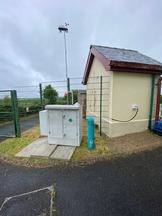
RML Funds Continued Independent Air Quality Monitoring
Supporting Transparent, Independent Monitoring
Resources Management UK Ltd (RML) is pleased to confirm that it has committed to financially supporting Pembrokeshire County Council through a further 12-month extension of independent monitoring of localised air quality.
Our commitment to fund this work began in July 2024, following community air quality concerns raised in relation to operations in the surrounding areas of RML. Ricardo was subsequently appointed by the Council to install a monitoring station in Spittal to independently monitor air quality and report findings directly to the Council, entirely separate from any influence or connection to RML. We are pleased to support the continuation of this important work.
A Comprehensive Approach to Air Quality
This programme complements the continuous monitoring already in place on site and around its perimeter, delivered through AQMesh. AQMesh systems provide independent, real-time monitoring of landfill emissions, ensuring a robust and transparent dataset is maintained.
Together with the independent monitoring undertaken by Ricardo, these datasets provide a comprehensive and reliable picture of air quality and odour conditions across the locality.
Regulatory Oversight, Transparency & Findings
The ongoing data allows us to remain confident that operations are not giving rise to environmental harm. This position is supported by continued regulatory oversight from Natural Resources Wales. Details of site inspections and compliance are publicly available via their register, ensuring full transparency on operational performance.
Key findings from the additional independent monitoring that we continue to support indicate that there are a number of contributing sources to odour within the wider area.
Ongoing Commitment to the Community
We remain committed to maintaining and supporting this independent monitoring programme, which provides clear, evidence-based insight into local air quality without placing any burden on the public purse.
In addition, we continue to respond proactively to community concerns through daily monitoring of both the site and the surrounding area. This ensures that any issues are identified and addressed promptly, reinforcing our commitment to transparency, environmental responsibility, and ongoing engagement with the local community.
Thew regulator, NRW, continue to monitor and audit the site regularly, their last visit being 31st March 2026, and they continue to report good progress with infrastructure and a lack of any odour.

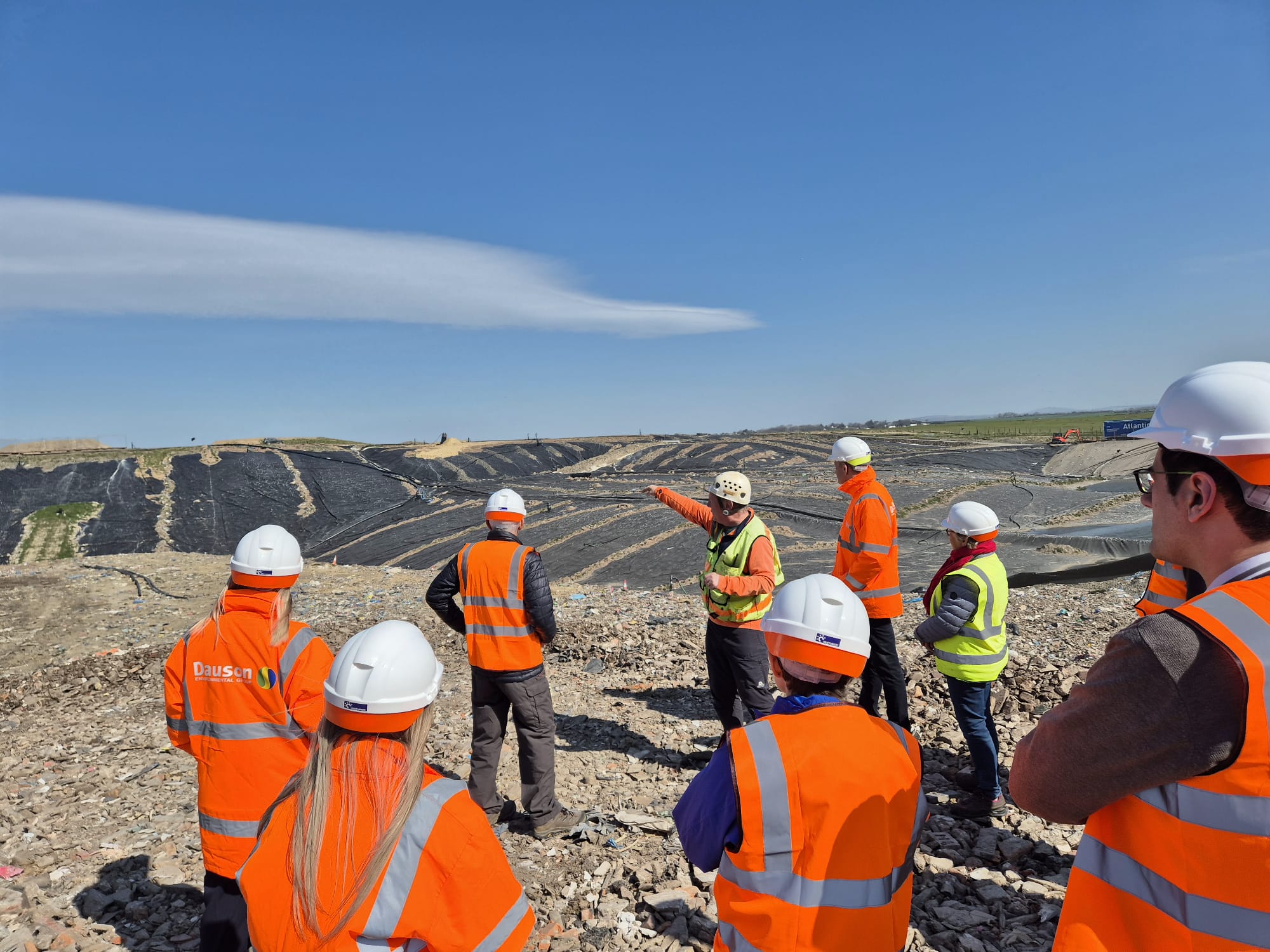
Environmental Permit Published for Public Consultation
Natural Resources Wales has published the draft environmental permit for the site as part of the formal public consultation process. This is a normal stage within the permitting process and allows stakeholders and interested parties to review the proposed permit conditions before a final decision is made.
Permit Modernisation and Consolidation
The draft permit has been produced primarily to modernise and consolidate the existing environmental permit. Over time, environmental permits often undergo several variations as operational practices evolve or regulatory requirements change. As a result, permits can become spread across multiple documents issued over several years. The draft permit therefore brings these historic variations together into a single consolidated document, updating the format and structure to reflect current regulatory standards. This provides a clearer and more streamlined permit for both the operator and regulator to manage going forward.
Benefits of a Modernised Permit
Modernising and consolidating the permit offers several important benefits:
- Improved clarity by bringing all conditions into one document rather than multiple historic variations.
- Simpler compliance management for site operators.
- More efficient regulation and oversight for the regulator.
- Alignment with current environmental permitting standards.
Overall, the updated permit helps ensure that the site can be regulated clearly, transparently, and effectively in the future.
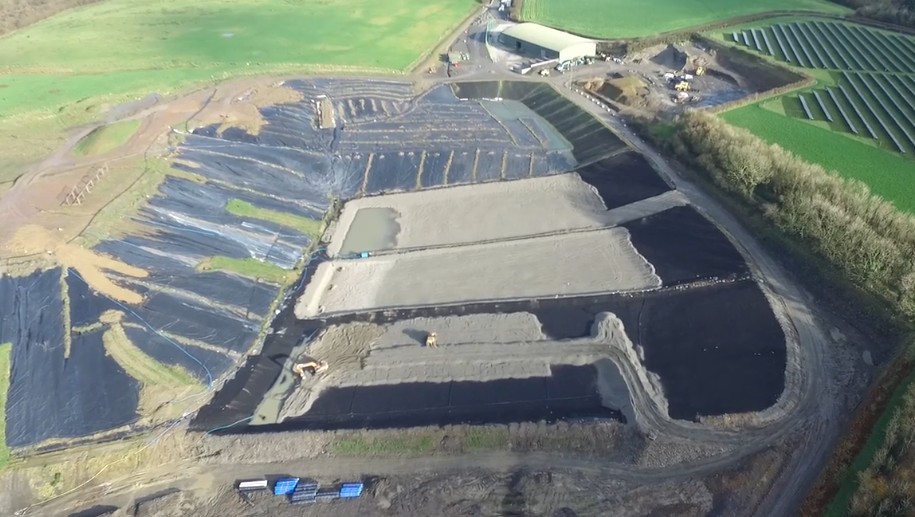
Clarification on the 50,000 Tonnes of Soils
The draft permit also refers to up to 50,000 tonnes of soils being imported to the site, which requires some clarification. These soils are not additional waste for landfill disposal and will not be placed within the landfill cells or beneath the liner system. Instead, the soils are intended solely for restoration purposes, supporting the final shaping of the site and enabling it to be restored to its approved end use once landfill operations are complete. The soils will be used within the final restoration layers above the engineered containment system, which is standard practice for landfill restoration projects.
What Happens Next?
During the consultation period, stakeholders and members of the public are invited to review the draft permit and provide feedback to Natural Resources Wales. Following this, the regulator will consider all comments received before issuing a final decision. The draft permit represents an important step in ensuring the site’s environmental permit is modern, streamlined, and easier to manage, while maintaining the robust protections required for safe operation and long-term restoration.
Full details of the consultation and permit can be accessed here
This update aligns with wider improvements made across the site, which have strengthened operational performance and enhanced engagement with regulators and technical experts since reopening in 2025. The proposed variation will provide greater clarity and transparency for both the regulator and the operator moving forward.
We remain committed to ongoing stakeholder engagement, including our continued financial support contribution for air quality monitoring and testing in the area. Investment in the site is delivering positive results and while the most recent regulator published data reflects 2024 performance – where the site was rated as a poor performer – recent regulator visits and site scores over the past year give us strong confidence that this will improve. We expect the 2025 data released later this year, to clearly demonstrate the positive trajectory of improvements being made. We will continue to work closely with our stakeholders and technical specialists to ensure this progress is maintained.